

TL;DR – Your beginner nail painting tips, condensed.
Short answer: shape and prep your natural nails, apply a thin base coat, add two thin coats of colour while capping the free edge, then finish with a top coat and cuticle oil.
If you want the full breakdown of how to paint your nails like the pros, including prep, technique and the best beginner nail polish to start with, keep reading.
This site contains product affiliate links. We may receive a commission if you make a purchase after clicking one of these links, at no extra cost to you.
Why Painting Your Own Nails Can Feel Tricky at First
Learning how to paint your nails neatly takes a little practice, and most beginners run into the same handful of issues: polish that pools too thickly, colour that ends up on the skin, or a manicure that chips within a day. None of this means you are “bad” at painting your nails, it usually just means a step in the prep or application has been rushed. Once you understand the order everything should happen in, and slow down enough to keep each layer thin, painting your nails with precision becomes a lot more repeatable.
What You Will Need Before You Start
- Nail file and buffer
- Cuticle pusher
- Nail polish remover and lint-free wipes or cotton pads
- A dehydrating nail prep or isopropyl alcohol (optional but helpful)
- A good quality base coat
- Your chosen nail polish colour
- A reliable top coat
- Cuticle oil
How to Paint Your Nails Perfectly (Step-by-Step)
Good prep and thin layers make the biggest difference here. Follow our step-by-step instructions below:
- Remove old polish and shape your nails. File each nail into your preferred shape and gently buff away any ridges on the surface.
- Push back your cuticles. Soften them first if needed, then ease them back with a cuticle pusher rather than cutting.
- Cleanse the nail plate. Wipe each nail with polish remover or a dehydrating prep to remove natural oils, so your polish grips properly.
- Apply a thin base coat. This protects the natural nail and helps your colour glide on evenly. Let it dry fully.
- Apply your first thin coat of colour. Start just above the cuticle, pull down the centre, then fill in each side, leaving a tiny gap around the skin.
- Cap the free edge. Run the brush along the tip of the nail to seal the colour and help prevent early chipping.
- Let the first coat dry before adding a second. Rushing this step is one of the biggest causes of smudging.
- Apply a second thin coat the same way, correcting any gaps left from the first layer.
- Seal with a top coat, capping the free edge again for extra staying power.
- Tidy the edges. Dip a small brush in polish remover and gently clean away any colour that has landed on the skin.
- Finish with cuticle oil to nourish the skin and blend in the edges of your manicure.
Pro tip: two thin coats will always look neater and last longer than one thick coat. Thick layers take longer to dry properly and are far more likely to dent, smudge or peel.
Here’s a handy TikTok tutorial for a helping hand.
Common Mistakes Beginners Make When Painting Their Nails
- Skipping the base coat, which makes colour more likely to stain the nail and chip early
- Loading too much polish onto the brush, leading to flooding and slow drying times
- Not capping the free edge, so the tips wear through first
- Painting straight after moisturising, which stops polish from gripping the nail
- Moving on to the next coat before the last one has properly dried
- Choosing a thick, hard-to-control formula before you have built up any brush control
How Long Does Nail Polish Take to Dry?
Standard nail polish is usually touch-dry within 45-60 minutes, though it can take up to 24 hours to fully harden. A quick-dry top coat can shorten this window considerably, which is worth considering if you tend to smudge your manicure doing everyday tasks shortly after painting your nails.
Best Beginner Nail Polish: Our Top Picks
A big part of learning how to do your own nails is starting with a formula that is forgiving to apply. The best beginner nail polish tends to have a wide, flat brush for easy control, a formula that self-levels rather than pooling, and a matching top coat that is simple to layer. Here are a few of our favourites.
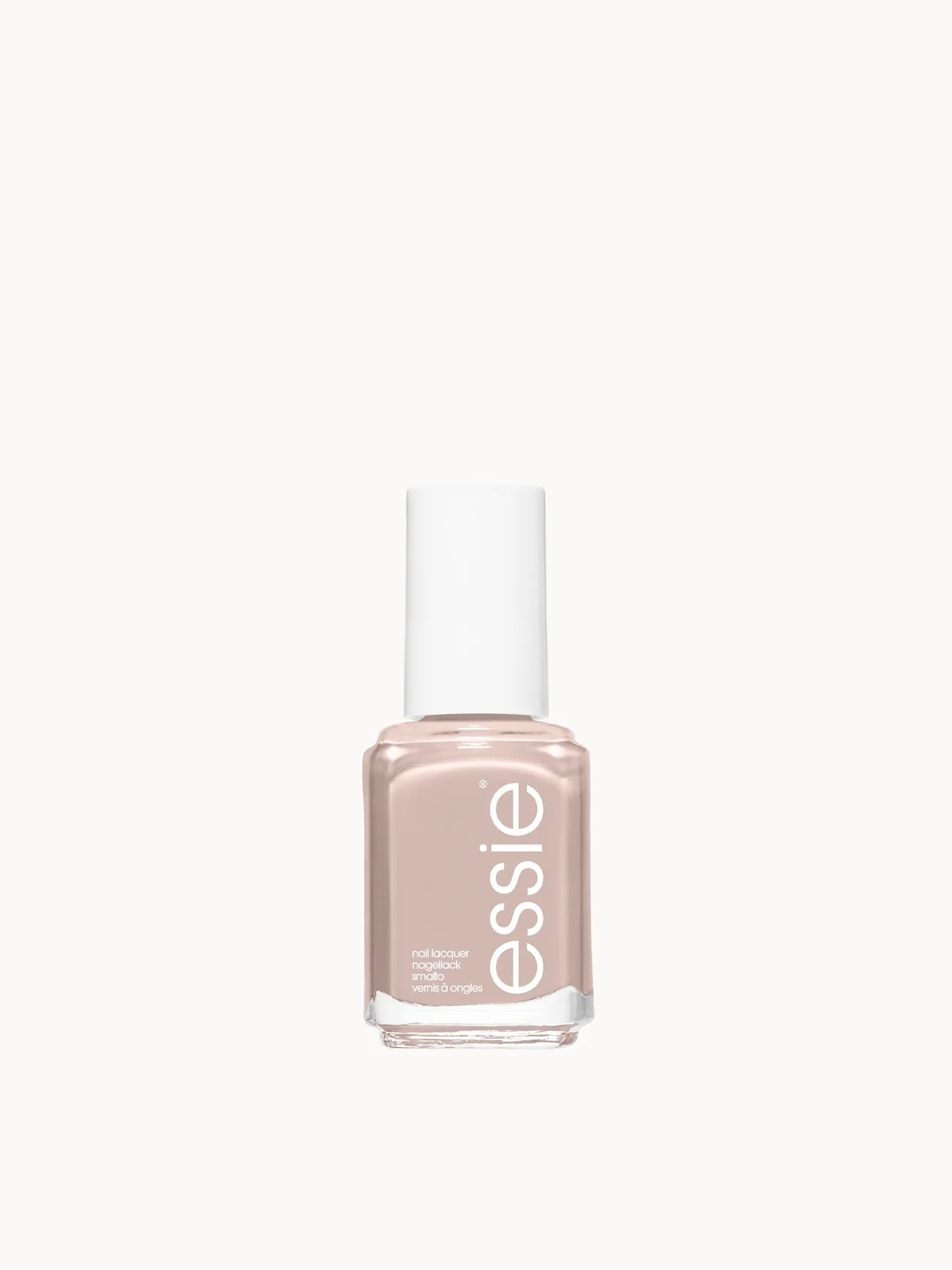
1. essie Nail Polish – Ballet Slippers
A sheer, barely-there pink that is one of the most popular beginner shades around, largely because it is so forgiving of small mistakes near the cuticle line. The wide brush makes it easier to stay in control while you are still building confidence with your technique.
2. essie Nail Care All-in-One Base Coat and Top Coat
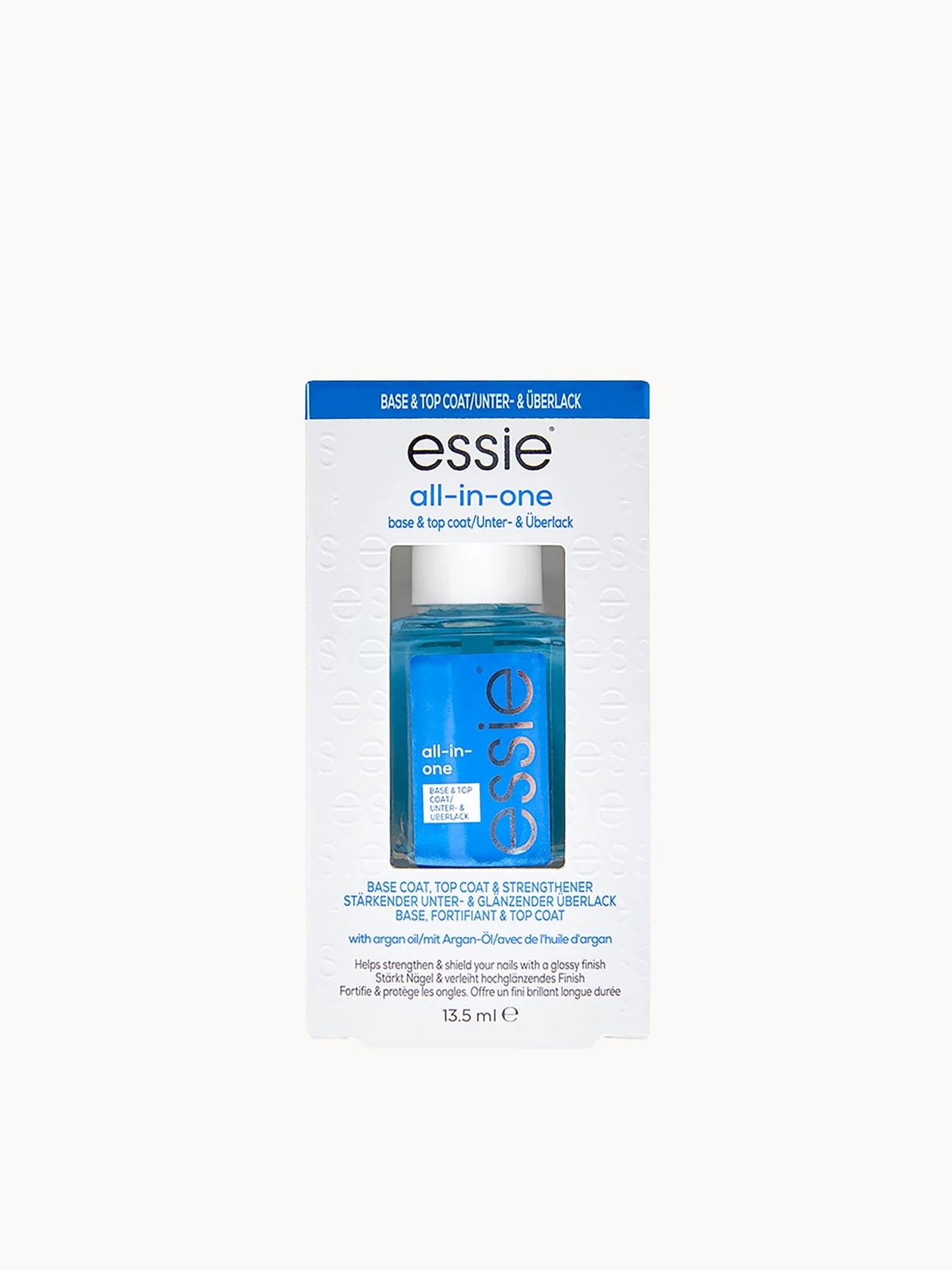
A genuinely useful starter product, since it works as both your base and your top coat. Having one bottle that does both jobs takes some of the guesswork out of building a routine when you are still learning how to paint your nails.
3. essie Nail Care Speed Setter Quick Dry Top Coat
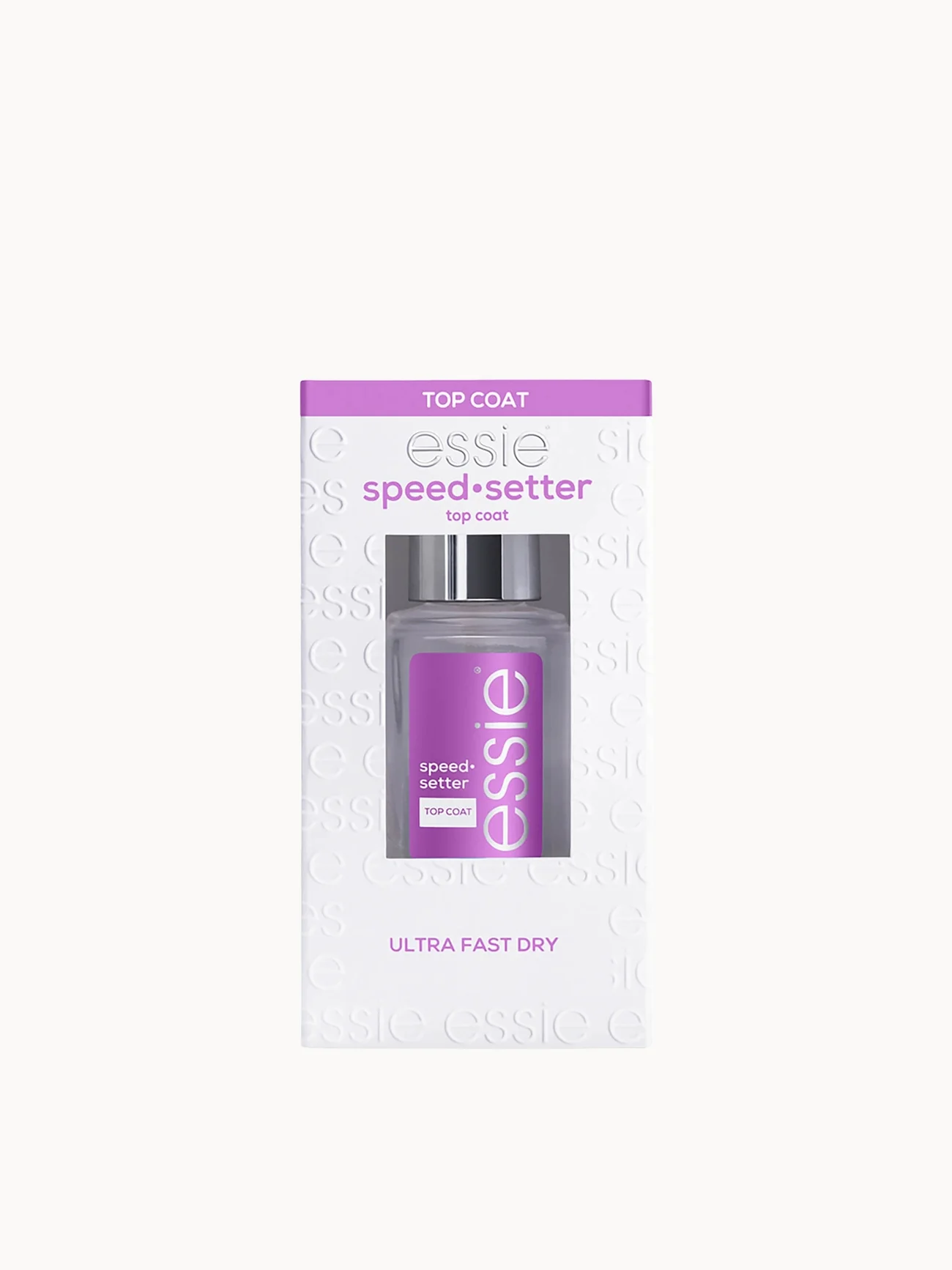
A quick-dry top coat that helps cut down on the smudges beginners often get from moving too soon after painting. A couple of coats over your colour will noticeably shorten your drying time.
4. OPI Nail Lacquer – Bubble Bath
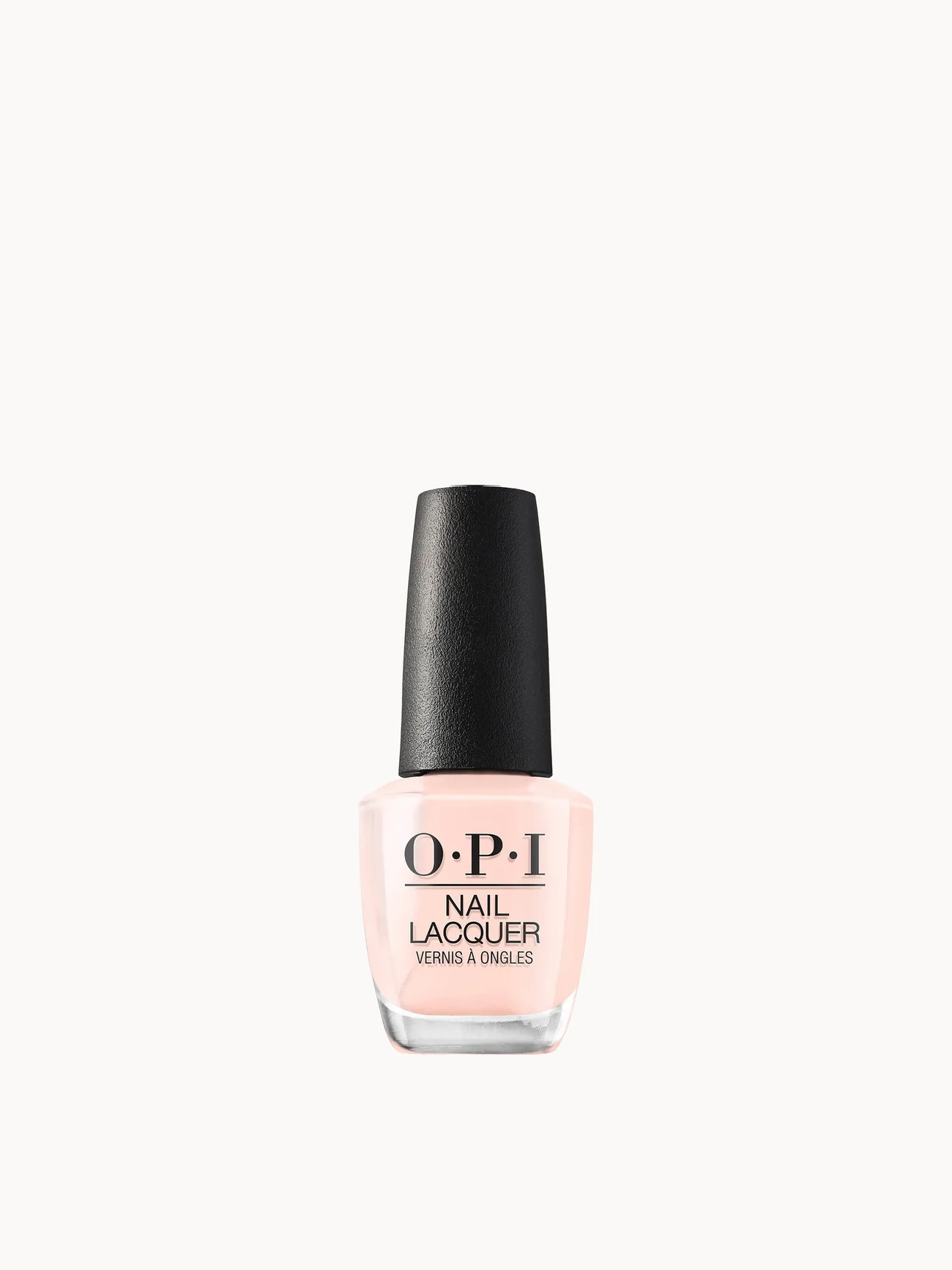
A classic sheer pink-beige from a trusted, salon-quality brand. It is versatile enough to wear alone for a natural look or as a base for nail art once your technique improves.
Pro Tips for a Longer-Lasting Manicure
- Always cap the free edge on every coat, including your top coat
- Keep every layer thin, colour included
- Avoid hand cream or oil-based products right before painting
- Store polish somewhere cool and out of direct sunlight to keep the formula smooth
- Reapply a fresh top coat every 2-3 days to extend wear
FAQs
What is the best beginner nail polish?
Look for a nail polish with a wide, self-levelling brush and a straightforward matching base and top coat, such as essie or OPI, both of which are known for being easy to apply at home.
How many coats of nail polish should I use?
Two thin coats of colour is usually the sweet spot. It gives full, even coverage without the drying time and durability issues that come with one thick coat.
Why does my nail polish smudge so easily?
Smudging is often caused by applying coats too thickly, moving on before the previous layer has dried, or skipping a top coat that helps seal and protect the surface.
Do I need a base coat and top coat?
Yes. A base coat protects the natural nail and helps colour go on evenly, while a top coat adds shine and is one of the simplest ways to make a manicure last longer.
Final Thoughts
Painting your nails precisely is much more about patience and technique than it is about expensive products. Once you get into the habit of prepping properly, working in thin layers and capping the free edge, you will notice your results improve every single time. Start with a beginner-friendly polish, take it one coat at a time, and it will not take long before your at-home manicure looks salon-neat.